
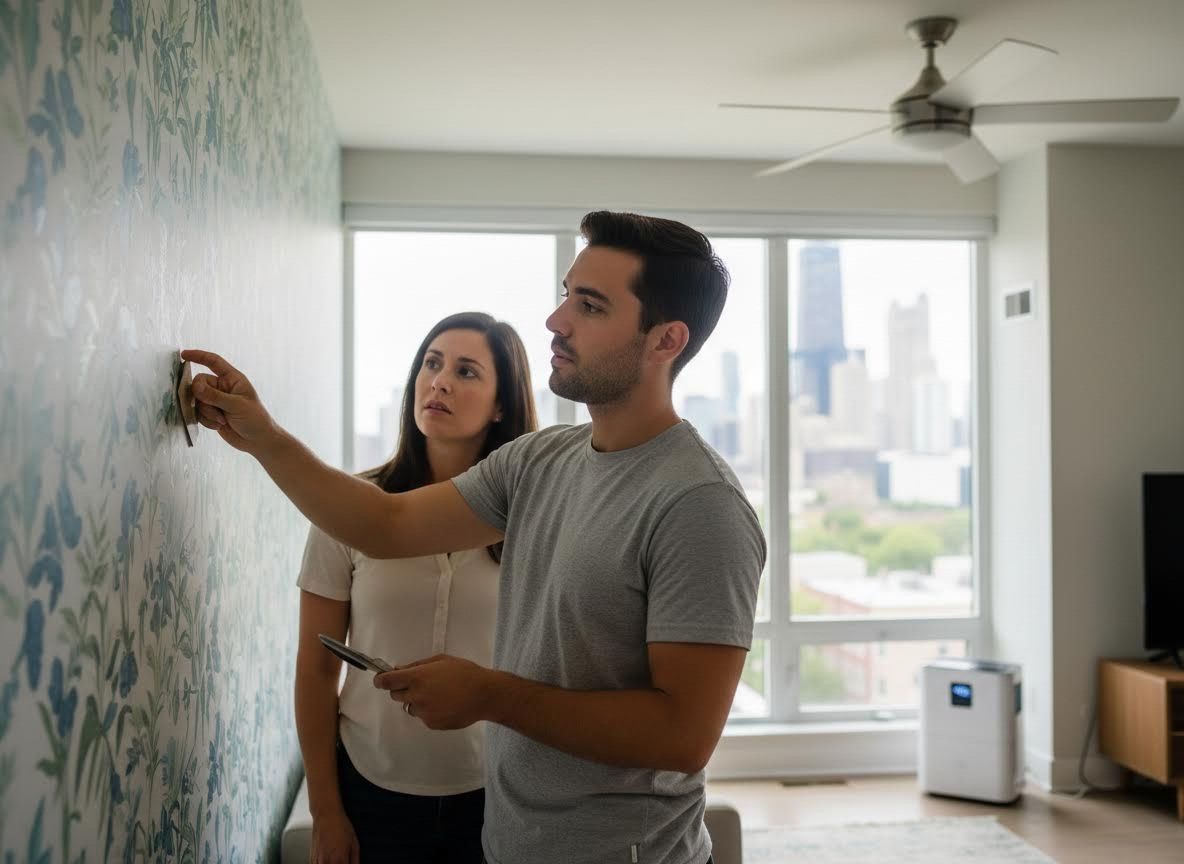
Chicago summers are legendary for their heat, but it's the accompanying humidity that often poses a silent challenge to our homes' interiors, especially your walls. This seasonal shift can impact the integrity and appearance of your beautiful wallcoverings if not properly addressed. At Aspect Wallpaper, we understand that every wall tells a story, and protecting that narrative from environmental factors is key to maintaining its beauty and longevity.
Understanding the Impact of Humidity on Your Walls
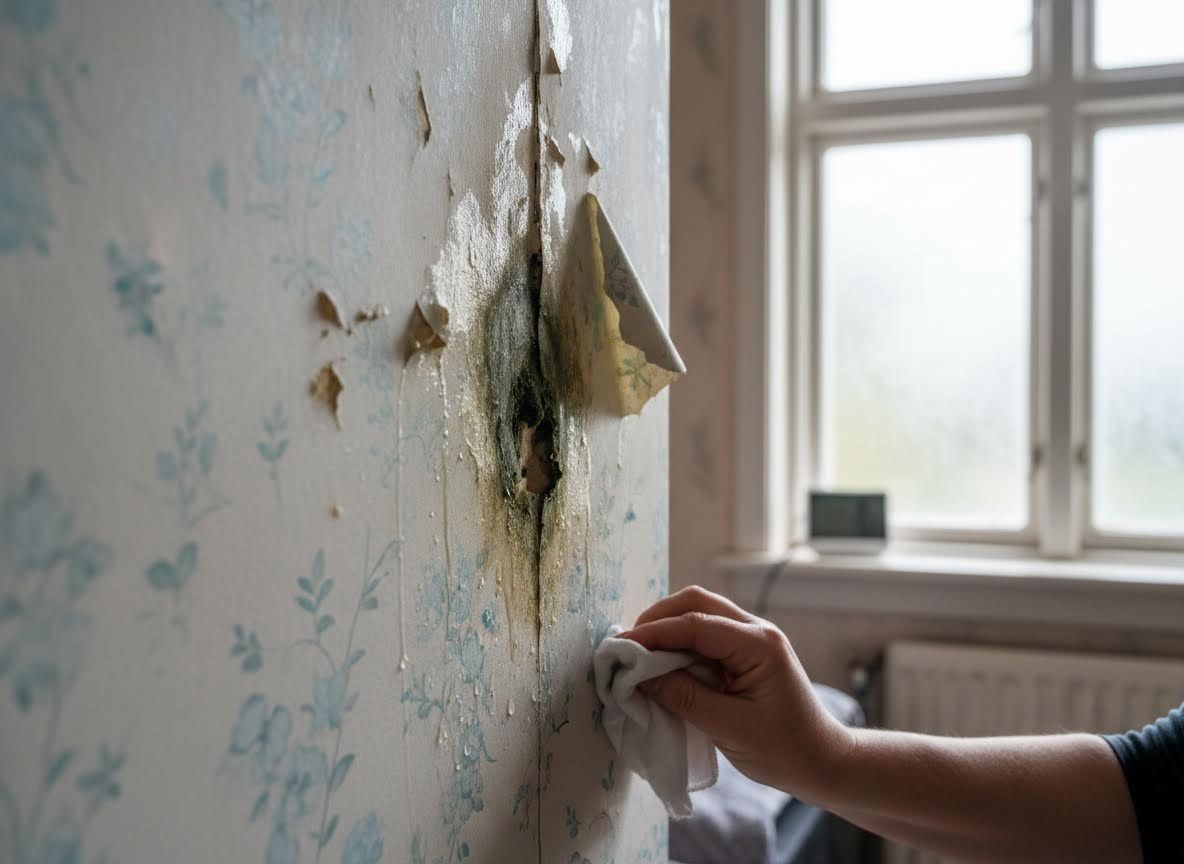
Humid air carries more moisture, and just like a sponge, porous wall surfaces can absorb this excess dampness. For wallpaper, this absorption leads to expansion. When the air dries out, the wallpaper contracts. This constant cycle of expansion and contraction puts stress on the adhesive bond, which can lead to common issues such as bubbling, peeling seams, and even buckling. Beyond aesthetic damage, prolonged moisture can also create an environment conducive to mold and mildew growth beneath the surface, compromising both the wallcovering and your indoor air quality.
The Foundation: Expert Preparation for Lasting Results
The secret to a wallpaper installation that withstands Chicago's seasonal shifts lies in meticulous preparation. Before any paper touches the wall, professionals assess the substrate for existing moisture and ensure it's clean, smooth, and stable. A critical step is the application of a high-quality, moisture-resistant primer or sealer. This specialized product creates a barrier that prevents the wall from absorbing too much moisture from the paste, promoting a strong and lasting bond. It also helps to regulate the wall's absorption of ambient humidity, minimizing expansion and contraction. Without these foundational steps, even the most luxurious wallpaper is vulnerable to humidity's effects.
Post-Installation Care: Maintaining Your Wallcovering Through Summer
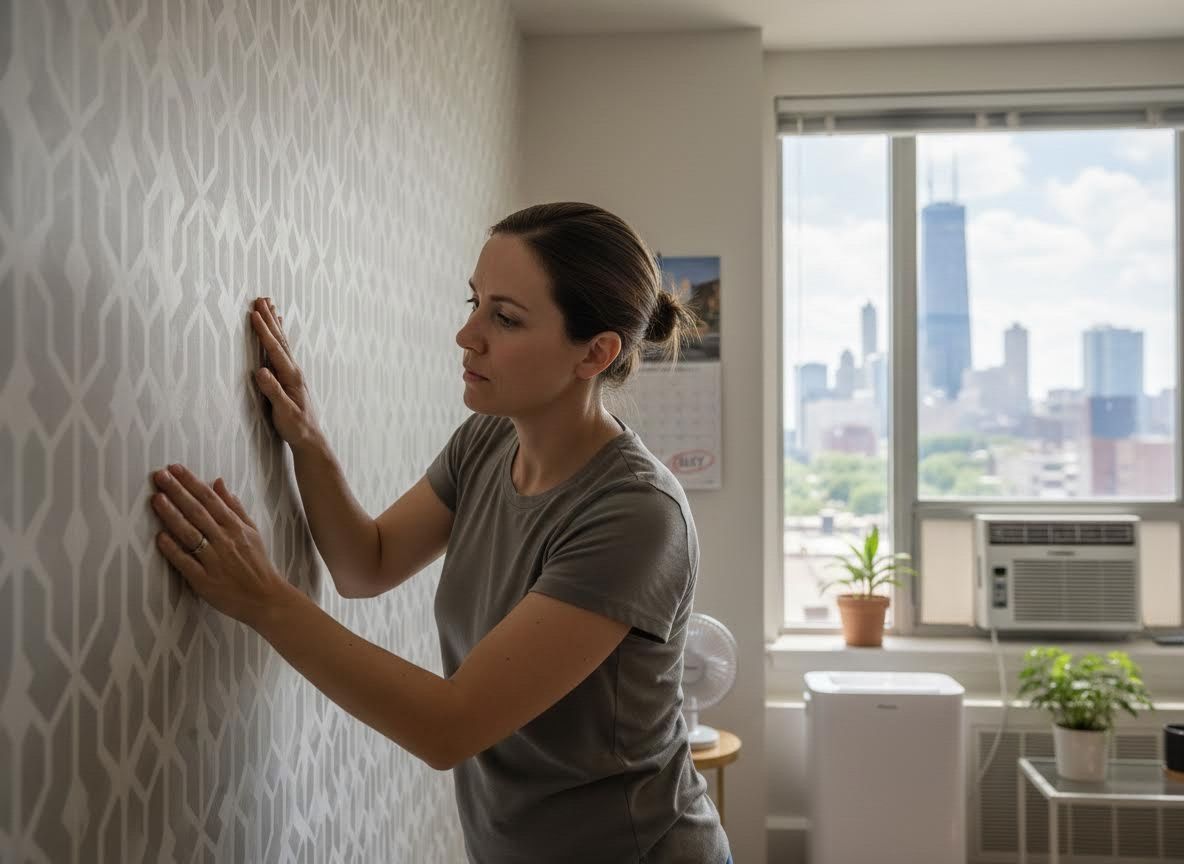
Once your wallpaper is beautifully installed, ongoing vigilance can help preserve its pristine condition through the humid months. Maintaining consistent indoor humidity levels is paramount; using air conditioning and dehumidifiers can significantly reduce the moisture content in the air. Aim for an indoor relative humidity between 30-50%. Ensure good air circulation, especially in areas prone to dampness like bathrooms or basements. Regularly inspect your walls for any early signs of distress, such as small bubbles or lifting seams. Addressing these minor issues quickly can prevent them from escalating into larger, more complex problems.
By understanding the unique challenges Chicago's humid summers present, homeowners can take proactive steps to protect their interior investments. Thoughtful preparation and ongoing care ensure that your walls continue to tell their story beautifully, free from the effects of moisture. To delve deeper into how professional installation and material selection can safeguard your home against seasonal changes, consider exploring our services for durable and stunning wall solutions.